
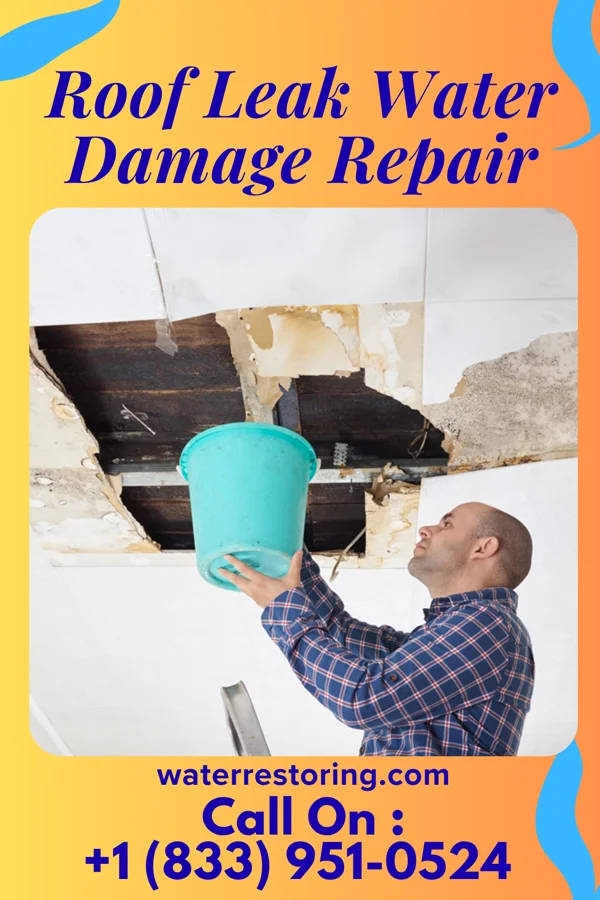
When Harrisburg Properties Need Roof Leak Repair
Water damage in Harrisburg usually starts with Harrisburg, Illinois experiences frequent thunderstorms and heavy rainfall during the spring and summer months, which can lead to sudden roof leaks. The region is also prone to occasional high winds that can damage roofing materials, especially on older or poorly maintained structures.. A close second is In the fall, Harrisburg sees a significant drop in temperature, which can cause roofing materials to expand and contract, leading to cracks and gaps. Additionally, the region occasionally experiences freezing temperatures that can cause ice dams on roofs, exacerbating water infiltration.. Professional restoration follows the IICRC protocol on every job. Assess. Extract. Dry. Sanitize. Document.
The climate in Harrisburg, Illinois contributes to a variety of roof-related issues, including water damage from heavy rain, wind-driven rain, and temperature-induced material expansion. These factors can lead to leaks, mold growth, and structural damage if not addressed promptly.
Water damage in Harrisburg follows a few local patterns. Harrisburg, Illinois experiences frequent thunderstorms and heavy rainfall during the spring and summer months, which can lead to sudden roof leaks. The region is also prone to occasional high winds that can damage roofing materials, especially on older or poorly maintained structures. accounts for the bulk of our calls. The climate in Harrisburg, Illinois contributes to a variety of roof-related issues, including water damage from heavy rain, wind-driven rain, and temperature-induced material expansion. These factors can lead to leaks, mold growth, and structural damage if not addressed promptly. Mold can develop within 48 hours of water exposure in Harrisburg, leading to potential health risks and further structural damage. Prompt water damage restoration is critical to prevent mold growth and secondary damage to your home.
For public guidance on the health effects of mold after prolonged water exposure, see the EPA mold and health page.